
Driveway cracks are one of the most common maintenance issues faced by Australian homeowners. The combination of Australia’s harsh sun, fluctuating temperatures, and varying soil conditions creates the perfect environment for concrete to expand, contract, and eventually crack. Add to this the pressure from heavy vehicles, poor drainage, or tree roots, and it’s easy to see why even a well-laid concrete driveway can develop surface or structural damage over time.
Ignoring these cracks may seem harmless at first, but they can quickly worsen. What starts as a hairline fracture may expand into a wide gap, leading to water penetration, soil movement, and costly foundation issues. Not only can this affect your home’s curb appeal, but it may also reduce the lifespan of your driveway and even pose safety hazards for vehicles and pedestrians.
The good news is that driveway cracks don’t always require expensive fixes. Depending on the severity, many small cracks can be addressed with DIY repair kits or sealants, while deeper or structural cracks may need professional attention. Understanding the difference will save you time, money, and stress in the long run.
For a broader guide on managing all types of concrete cracks, see How to Fix Cracks in Concrete.
What Causes Cracks in Concrete Driveways?
Cracks in concrete driveways are not only unsightly but also a sign that the surface is under stress. For Australian homeowners, these issues are particularly common due to the country’s unique climate and environmental factors. Understanding the causes is the first step to addressing and preventing further damage.
-
Weather and Climate Conditions
Australia’s climate plays a major role in driveway cracking. Intense heat during summer causes concrete to expand, while cooler nights and winters lead to contraction. This constant movement places stress on the surface, resulting in hairline or deeper cracks. Additionally, heavy rainfall can weaken the soil beneath the driveway, creating voids that cause the slab to sink or fracture. In regions with clay-heavy soil, swelling during wet seasons and shrinkage during droughts further amplify the problem.
-
Poor Installation or Weak Concrete Mix
If a driveway is laid with a substandard concrete mix or insufficient reinforcement, it becomes more vulnerable to cracking. Inadequate curing during installation can also reduce the strength of the slab. A weak foundation or improper compaction of the base layer leads to uneven settling, which manifests as surface cracks over time.
-
Heavy Vehicle Loads
Driveways are constantly exposed to the weight of cars, utes, and sometimes heavier vehicles like boats or caravans. Over time, the stress of these loads can exceed the driveway’s capacity, particularly if the concrete is thin or poorly reinforced, causing visible cracks and depressions.
-
Tree Roots and Soil Expansion
Tree roots searching for water often grow underneath driveways, lifting and cracking the slab as they expand. Similarly, reactive soils in Australia, such as clay, can swell and shrink dramatically depending on moisture levels, placing uneven pressure on the concrete.
-
Natural Aging of Concrete
Even the best-laid driveway isn’t immune to time. Concrete naturally develops shrinkage cracks as it cures, and after years of exposure to the elements, minor imperfections can worsen. Regular maintenance slows this process, but natural aging is an unavoidable factor.
By identifying these common causes, homeowners can take proactive steps to protect their driveways from unnecessary damage and plan effective repairs when needed.
Different Types of Driveway Cracks
Not all cracks in a concrete driveway are the same, and knowing the difference can save you both time and money. Some are cosmetic and easily repaired by homeowners, while others signal deeper structural issues that require professional attention.
Hairline Cracks
These are the most common type and usually appear as fine lines on the surface. They’re mostly cosmetic but can expand if left untreated, especially when water seeps in and widens them through repeated heating and cooling cycles. Homeowners can typically repair hairline cracks with DIY sealants.
Expansion Cracks
Concrete expands and contracts with temperature changes. If there aren’t enough control joints, the pressure leads to expansion cracks. These cracks are usually straight and run across large sections of the driveway. Filling them with flexible joint sealants helps prevent further damage.
Settlement Cracks
When the soil beneath a driveway shifts or sinks—often due to poor compaction or moisture changes—the concrete slab settles unevenly, causing cracks. These may start small but widen over time and affect the driveway’s level. Depending on severity, DIY patching may work temporarily, but significant settlement usually requires professional slab lifting or replacement.
Structural Cracks
Deep, wide cracks (often over 6mm) that run through the slab indicate serious structural damage. They may be caused by heavy vehicle loads, poor base preparation, or extensive soil movement. These cracks compromise the strength of the driveway and should always be assessed by a concrete specialist.
DIY vs Professional Repairs
As a rule of thumb: fine, surface-level cracks are manageable with DIY products, while wide, uneven, or deep cracks call for expert repair. Recognising the difference early prevents small issues from turning into costly replacements.
Tools and Materials You’ll Need for Repair
Repairing driveway cracks doesn’t require a professional toolbox, but having the right materials and equipment makes the job faster, easier, and more effective.
Crack Filler and Sealants
For small hairline or expansion cracks, a pre-mixed crack filler or a tube of epoxy or polyurethane sealant is essential. These materials are designed to expand and contract with the concrete, ensuring a long-lasting repair.
Basic Cleaning Tools
Before applying any filler, the crack needs to be thoroughly cleaned. A chisel and hammer help widen and remove loose concrete edges. A wire brush or pressure washer clears out dirt, debris, and vegetation so the filler bonds properly.
Application Tools
A trowel is useful for smoothing compound repairs, while a caulking gun is necessary for applying tube sealants evenly. To stay safe during the process, always wear protective gear such as gloves, safety glasses, and a dust mask when chiselling or cleaning.
Optional Materials
For larger or heavily cracked areas, a resurfacing compound can restore the driveway’s smooth, uniform finish. This option costs more but can significantly extend the lifespan of your concrete.
Costs in Australia
DIY crack repair kits are widely available at hardware stores such as Bunnings. Prices generally range from AUD $20–$60 for sealants and crack fillers, while resurfacing compounds can cost AUD $80–$150 per bag depending on brand and coverage. Investing in these materials is still far more affordable than full driveway replacement.
Step-by-Step Guide – How to Fix Cracks in a Concrete Driveway
Step 1 – Inspect and Assess the Cracks
Before reaching for any tools, take time to carefully inspect your driveway. Measure the width and depth of each crack. Hairline cracks (less than 3mm wide) are usually cosmetic and can be handled with DIY crack fillers. Wider cracks, deeper than 6mm, or those showing uneven surfaces may indicate structural issues. In such cases, professional assessment is recommended. Identifying the crack type early ensures you don’t waste time or money on the wrong repair method.
Step 2 – Prepare the Driveway
Preparation is crucial for a long-lasting repair. Start by cleaning the driveway with a high-pressure washer to remove dirt, oil, and loose debris. If you don’t have one, a stiff wire brush and garden hose can work, though it may take more effort. For stubborn debris inside the cracks, use a hammer and chisel to widen and clear the space slightly, which helps the filler adhere better. Make sure the crack is completely dry before applying any product, as moisture can weaken the bond.
Step 3 – Apply the Filler or Sealant
The type of product you use depends on the crack’s size:
- Hairline cracks: Use a liquid crack filler or concrete patching compound. Pour or squeeze the filler directly into the crack, smoothing the surface with a putty knife or trowel.
- Wider cracks (over 3–6mm): Use an epoxy or polyurethane sealant. These products expand slightly, creating a strong, flexible bond that resists further movement. Apply the filler in layers rather than one thick pour, pressing each layer into the crack with a trowel. This prevents air pockets and ensures durability.
- Use a caulking gun for precision, especially for long cracks, and smooth the surface so it blends with the surrounding concrete.
Step 4 – Allow Proper Curing Time
Curing is often overlooked but vital for success. Most fillers require at least 24–48 hours to fully set, though this can vary depending on weather. In Australia’s hot summers, work early in the morning or late afternoon to avoid rapid drying, which can cause shrinkage. During the curing process, avoid driving or walking over the repaired areas. Covering the repair with a plastic sheet can also help maintain consistent curing conditions.
Step 5 – Finishing Touches
Once the cracks are filled and cured, you can enhance the overall look and protection of your driveway. For a seamless appearance, apply a resurfacing compound across the driveway to cover patched areas. This gives the surface a uniform finish and strengthens older concrete. Adding a penetrating sealer helps protect against future moisture damage, oil stains, and UV exposure. If you’re after an aesthetic upgrade, consider painting or staining the surface with concrete-safe products. These options not only improve curb appeal but also extend the lifespan of your driveway.
By following these steps carefully, Australian homeowners can tackle most driveway cracks confidently. Smaller cracks are often manageable as a DIY weekend project, while more severe structural issues should be left to professionals for long-term peace of mind.
Preventing Future Driveway Cracks
Repairing existing cracks is only half the battle—taking proactive steps to prevent new damage will extend the life of your concrete driveway. In Australia’s varied climate, from scorching summers to heavy downpours, regular care and smart planning can make a significant difference.
Regular Cleaning and Sealing
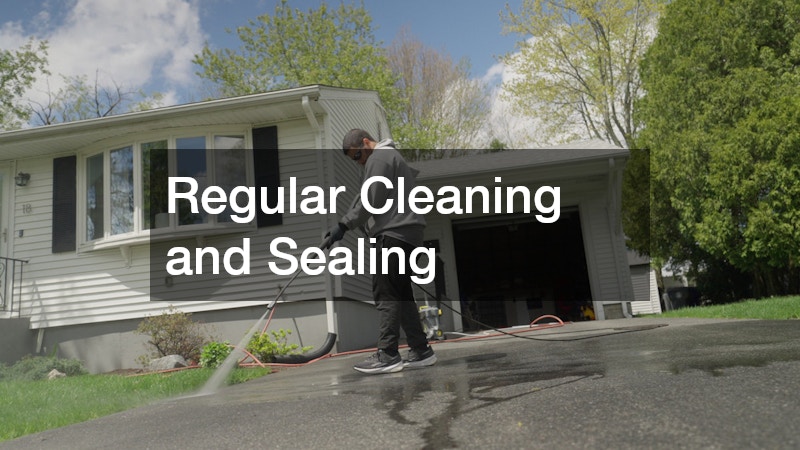
Routine cleaning helps prevent dirt, oil, and chemicals from seeping into concrete pores, which can weaken the surface over time. Using a pressure washer once or twice a year is usually enough to keep it fresh. More importantly, sealing the driveway every 2–3 years is highly recommended. In Australia, where UV rays are particularly harsh, a quality sealer protects against sun exposure, water infiltration, and freeze-thaw cycles in cooler regions. Sealing forms a protective barrier that reduces the likelihood of small cracks turning into larger structural issues.
Managing Drainage and Water Flow
Water is one of the biggest culprits behind driveway cracks. Poor drainage leads to soil movement and erosion underneath the slab, weakening its stability. To prevent this, ensure your driveway has a slight slope to direct water away from the surface. Installing proper gutters, downspouts, and drainage channels also helps avoid pooling water near the concrete, which can otherwise cause settlement cracks and long-term damage.
Landscaping Considerations
Tree roots are a common cause of driveway cracks, especially when large trees are planted too close to concrete surfaces. To avoid future problems, plant trees and shrubs at least 3–4 metres away from the driveway. Opt for root-friendly or slow-growing plants such as crepe myrtle or ornamental grasses. If trees already exist, installing root barriers can help protect the slab from underground pressure.
Reducing Heavy Load Stress
Concrete driveways are durable but not indestructible. Parking heavy trucks, boats, or machinery for extended periods can cause stress cracks. Where heavy loads are unavoidable, consider reinforcing the slab with steel mesh during construction or adding thicker concrete. For residential driveways, sticking to regular vehicles will help maintain surface integrity for decades.
With consistent maintenance and thoughtful planning, homeowners can significantly reduce the risk of cracks and enjoy a longer-lasting, visually appealing driveway.
Common Mistakes to Avoid in Driveway Repairs
Fixing driveway cracks can seem straightforward, but many homeowners make small errors that lead to bigger problems later. One of the most common mistakes is failing to clean cracks properly before applying filler. Dirt, debris, or moisture left inside prevents the sealant from bonding, causing repairs to break down quickly.
Another issue is using the wrong type of filler material. For example, hairline cracks require liquid fillers, while deeper or wider cracks need epoxy or polyurethane-based sealants. Choosing the wrong product often results in wasted time and money.
Overfilling cracks without smoothing them out is also a frequent error. This not only looks unprofessional but can create uneven surfaces that chip away faster.
A bigger but often overlooked mistake is ignoring underlying drainage issues. Water pooling around the driveway can reopen repaired cracks or create new ones, no matter how well the surface is sealed. Addressing drainage is as important as the repair itself.
Finally, attempting DIY repairs on structural cracks—those wide, deep fissures caused by soil movement or foundation problems—is risky. These require professional assessment, as DIY fixes may only mask the issue while the damage worsens underneath.
Cost of Repairing a Concrete Driveway in Australia
The cost of repairing a concrete driveway in Australia varies depending on the severity of the damage and whether you choose DIY or professional help. For minor cracks, DIY repair kits are the most affordable option, typically costing between $30 and $100. These kits usually include crack filler, applicators, and instructions, making them suitable for hairline or surface-level repairs.
For larger cracks or more extensive damage, professional driveway repairs are often the better choice. On average, professional concrete repair costs range from $50 to $150 per square metre, depending on the repair method, materials used, and accessibility of the driveway. For instance, sealing cracks costs less than resurfacing or slab replacement, which can push costs higher.
When comparing costs, it’s important to consider the long-term impact. Fixing cracks early prevents water infiltration, erosion, and further structural damage, saving you from expensive resurfacing or complete driveway replacement later. On the other hand, delaying repairs often means small cracks expand into major issues, leading to repair bills in the thousands.
In short, timely repairs—whether DIY or professional—are a smart investment that preserves both the functionality and curb appeal of your driveway.
When to Call a Professional
While DIY repairs are great for small surface cracks, there are times when calling a professional is the safest and most cost-effective choice. One clear sign is when the cracks are wide, deep, or uneven, as these often indicate more than just surface wear. If the concrete has shifted or sunken in certain areas, it may point to foundation movement or underlying soil issues—problems that go beyond what a DIY kit can fix.
Structural cracks, especially those wider than 6 mm, should never be patched without professional input. Attempting a DIY solution in these cases may only mask the issue temporarily, allowing the damage to worsen underneath. Professionals have the expertise to determine whether the problem is due to soil erosion, poor drainage, or structural instability.
The benefits of expert assessment extend beyond proper repairs. A professional can recommend tailored solutions—whether it’s sealing, resurfacing, or slab replacement—that extend the lifespan of your driveway. They also use high-quality materials and equipment, ensuring a longer-lasting finish.
Ultimately, calling in an expert when cracks are significant or recurring helps you avoid costly future repairs while maintaining the safety, stability, and curb appeal of your home.
Step-by-Step Maintenance Checklist for Australian Homeowners
Keeping your concrete driveway in good condition requires regular attention. Here’s a simple checklist tailored for Australian homeowners:
- Inspect driveway (Every 3 months): Walk over the surface to spot new or widening cracks early. Catching small flaws prevents costly repairs later.
- Clean cracks & reseal (Annually): Pressure wash the driveway to remove dirt, oil, and debris. Apply a quality sealant to protect against moisture, heat, and UV damage.
- Check drainage issues (Bi-annually): Ensure water flows away from the driveway. Pooling water can erode the base and worsen cracking.
- Professional inspection (Every 2–3 years): Especially important if cracks are wide or uneven. Experts can detect hidden structural issues and provide long-term solutions.
By following this schedule, homeowners can extend the life of their driveway, maintain safety, and reduce the risk of expensive repairs in the future.
Conclusion
Cracks in a concrete driveway are a common issue for Australian homeowners, but they don’t have to be a long-term problem. Small hairline cracks can often be managed with DIY repair kits, while larger or deeper cracks may signal structural concerns that require professional expertise. Knowing when to handle repairs yourself and when to call in an expert ensures your driveway remains safe, functional, and visually appealing.
Preventive maintenance is just as important as repairs. Regular inspections, sealing, and attention to drainage can dramatically extend the lifespan of your driveway while saving you money in the long run. By staying proactive, you reduce the risk of small cracks turning into major structural issues that cost far more to fix.
For further guidance, homeowners can explore trusted resources such as YourHome – Guide to Durable Driveways and the Concrete Institute of Australia. Both provide reliable advice tailored to Australian conditions.
Taking timely action now ensures your driveway remains durable and attractive for years to come. Whether through DIY maintenance or professional repair, investing in your driveway today means fewer headaches—and expenses—tomorrow.
About the Author