
Australia enjoys more sunshine than almost any other inhabited continent, and that abundance shapes how homes are built, powered, and heated. From the tropical north to the temperate south, clear skies and long daylight hours make renewable energy an obvious choice for households wanting to cut costs and lower emissions. Among the many options available, solar hot water stands out as one of the most practical, affordable, and reliable technologies for everyday living. When you combine high solar exposure with rising electricity prices, it becomes clear why so many Australian families are choosing to harness the sun for their hot water needs.
A Climate Designed for Solar
Australia’s geography is perfectly matched to solar technology. Large parts of the country receive more than 3,000 hours of sunshine each year, giving solar systems plenty of opportunity to capture energy.
Even in cooler southern states, winter sun is still strong enough to make a meaningful contribution to heating water.
Unlike some countries that rely on limited daylight or weak sunlight, Australian homes can benefit from steady and predictable solar output across most seasons. This means households are not dependent on backup heating nearly as often, which leads to greater savings and more consistent performance.
Another advantage is the wide temperature range across the continent. In hot climates, water stored in solar tanks can reach high temperatures with minimal effort. In cooler climates, modern collectors and insulated tanks are designed to retain heat efficiently, ensuring a reliable supply even on chilly mornings. All of this adds up to a technology that works with, rather than against, Australia’s natural conditions.
Lower Bills and Long-Term Savings
Energy prices in Australia have risen steadily over the past decade, putting pressure on household budgets. Hot water alone can account for a large share of a home’s energy use, particularly for families who shower frequently, wash clothes often, or run dishwashers daily. By using the sun as the primary heat source, households can dramatically reduce their reliance on electricity or gas.
Once installed, a solar-based system requires minimal ongoing input. The sunlight is free, and maintenance costs are generally low. Over time, this can translate into thousands of dollars saved, especially as grid prices continue to climb.
Government rebates and incentives also make these systems more accessible. Many states and territories offer financial support for households that switch to renewable hot water solutions, helping to offset upfront costs. This means families can enjoy both immediate and long-term financial benefits while also investing in a more sustainable future.
Environmental Benefits That Suit Australia
Australia’s unique ecosystems are particularly vulnerable to climate change. From coral reefs to bushland, rising temperatures and extreme weather events have already taken a toll. Reducing household emissions is one of the simplest ways individuals can contribute to protecting these environments.
Heating water with traditional methods produces a significant amount of greenhouse gas, especially when electricity is generated from coal. By contrast, solar energy produces no direct emissions during operation. Over the life of a system, this can prevent many tonnes of carbon dioxide from entering the atmosphere.
Because Australia has such high solar potential, each household that switches makes an outsized impact. The sun provides more than enough energy to meet hot water needs, making it unnecessary to rely on fossil fuels for this everyday task. When multiplied across suburbs, towns, and cities, the environmental benefits become substantial.
Reliability and Modern Design
Some people worry that solar-based systems may be unreliable, particularly on cloudy days or during winter. In reality, modern designs are built with backup heating elements that ensure hot water is always available when needed. These backups are used far less frequently than in older models, which means energy savings are still significant.
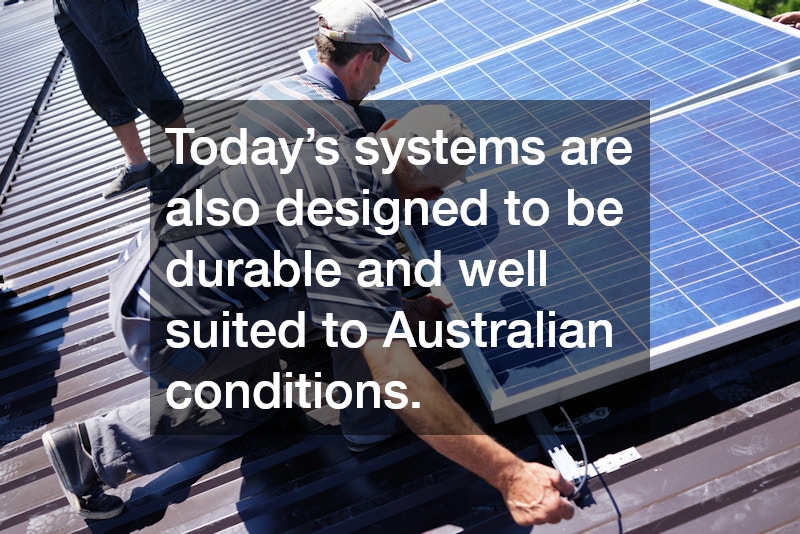
Today’s systems are also designed to be durable and well suited to Australian conditions. They are built to withstand high UV exposure, temperature fluctuations, and even hail in some regions. With proper installation and basic maintenance, a quality system can last well over a decade, making it a solid investment for homeowners.
In addition, many units now integrate seamlessly with other renewable technologies, such as rooftop solar panels and home batteries. This allows households to create a more complete energy ecosystem, further reducing their dependence on the grid.
Australia’s climate offers a rare opportunity to make the most of renewable energy, and hot water is one of the easiest places to start. With plentiful sunshine, rising energy costs, and a growing focus on sustainability, switching to solar hot water is both a practical and responsible choice. It delivers reliable performance, long-term savings, and meaningful environmental benefits, all while working in harmony with the natural conditions that define life in Australia. For households looking to future-proof their energy use, solar hot water is not just a smart option, it is a natural fit for the Australian way of living.
About the Author