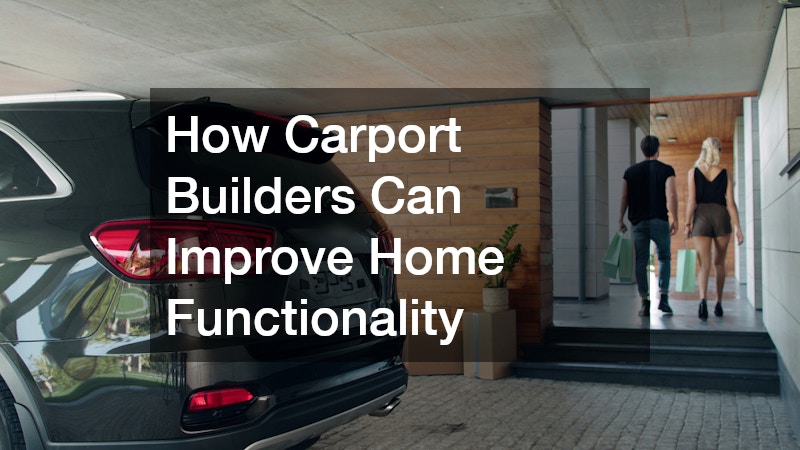
A home should do more than provide shelter. It should support the way people live, work, store belongings, and move between indoor and outdoor spaces. As household needs change, homeowners often look for practical improvements that can make everyday routines easier without requiring a major renovation.
One improvement that can contribute to a more functional property is a well-planned carport. While its primary purpose is to provide covered parking, the right design can offer benefits that extend beyond protecting a vehicle.
It can create additional storage opportunities, improve access to the home, provide a sheltered outdoor area, and make better use of available space.
Working with experienced carport builders can help homeowners develop a structure that complements the property while addressing practical needs. From choosing an appropriate location to considering storage and access, thoughtful planning can turn an otherwise underused area into a useful part of the home.
Creating Convenient Covered Parking
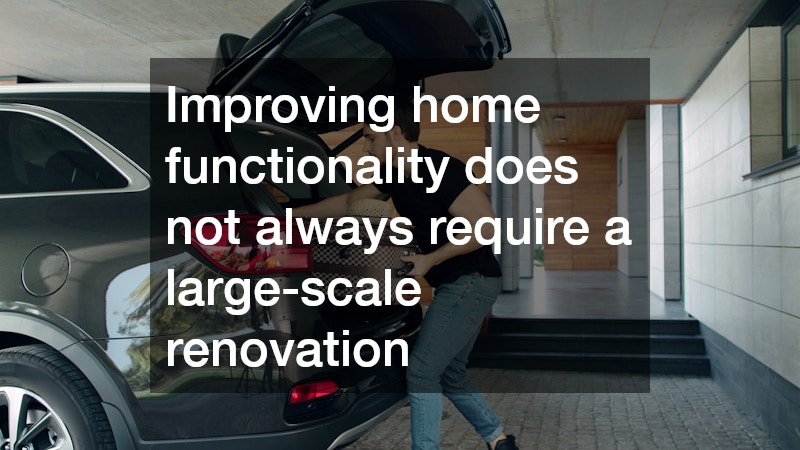
One of the most obvious ways a carport can improve home functionality is by creating a dedicated area for vehicles. Covered parking can make daily routines more convenient, particularly when people need to load or unload groceries, children, luggage, or other belongings.
A sheltered vehicle area can also provide protection from direct sunlight, rain, and other weather conditions. This can make getting in and out of the car more comfortable while helping keep the immediate area around the vehicle more usable during poor weather.
Location is an important consideration. A carport positioned close to an entrance can create a more direct path between the vehicle and the house. This can be especially useful for households that frequently carry shopping bags, equipment, or other items between the car and the property.
Making Better Use of Outdoor Space
Outdoor areas are not always used to their full potential. A suitable structure can help transform an awkward or underused section of a property into a purposeful space.
A carport does not necessarily need to be limited to parking. Depending on its size and design, the covered area may also accommodate bicycles, bins, gardening equipment, sporting goods, or other household items. This can help reduce clutter in garages, sheds, or internal storage areas.
When planning the structure, homeowners should consider how the space might be used now and in the future. A household may initially need somewhere to park a car but later benefit from additional storage or an area for outdoor activities. Designing with flexibility in mind can help the structure remain useful as circumstances change.
Improving Access Around the Home
Good home functionality depends heavily on how easily people can move around a property. A carport can contribute to better access when its position, dimensions, and connection to existing pathways are carefully considered.
For example, a covered route from the parking area to the home’s entrance can provide shelter when carrying groceries or moving household items. It can also reduce the need to walk across exposed areas during rain or intense sunlight.
The relationship between the carport, driveway, pathways, doors, and other outdoor features should therefore be considered during planning. Adequate clearance can make it easier to open vehicle doors, move larger items, and navigate the space safely.
Adding Practical Storage Options
Storage is a common concern for homeowners, particularly when garages and internal cupboards are already full. A thoughtfully designed carport can provide an opportunity to incorporate storage without taking up additional indoor living space.
Shelving, cabinets, enclosed sections, or dedicated areas for outdoor equipment can potentially be incorporated into the overall design, depending on the structure and local requirements. These additions can help keep frequently used belongings organised and accessible.
Storage should be planned around the items that need to be kept there. Gardening tools may require different arrangements from bicycles, bins, or recreational equipment. Keeping these needs in mind can help homeowners avoid creating a space that looks useful but becomes difficult to organise.
Planning for Long-Term Use
A functional home improvement should provide value beyond its first few months of use. Before beginning a project, homeowners should think about how their needs could change over time.
Vehicle ownership, family circumstances, hobbies, storage requirements, and outdoor activities can all influence how a property is used. Building with these potential changes in mind may help prevent the need for modifications later.
This is where professional planning can be particularly valuable. Carport builders can assess the available space, discuss practical requirements, and help develop a structure that balances current needs with potential future uses.
Improving home functionality does not always require a large-scale renovation. A well-designed carport can provide covered parking while also creating opportunities for better storage, easier access, improved outdoor use, and greater flexibility.
The most successful projects begin with a clear understanding of how the space will be used. By considering vehicle access, storage, household activities, property layout, and future needs, homeowners can create an addition that supports everyday routines.
Choosing the right carport builders can also help ensure the structure is planned around the property’s existing features and the household’s practical requirements. With thoughtful design and careful preparation, a carport can become much more than a place to park a vehicle. It can be a functional extension of the home that makes the property easier and more convenient to use.
About the Author