
During the warmer months, a reliable air conditioner can make your home or workplace much more comfortable. However, like any mechanical system, an air conditioner needs regular attention to continue operating efficiently. Professional servicing goes beyond simply checking whether cool air is coming from the vents. A trained technician can inspect, clean and test the system to identify issues that could affect its performance.
Booking regular air conditioning service can help maintain your system, improve its efficiency and reduce the likelihood of unexpected breakdowns. Understanding what happens during a professional service can also help you recognise why routine maintenance is worth considering.
Inspecting The Air Conditioning System
The first step is generally a detailed inspection of the air conditioning system. A technician will look at the major components to assess their condition and identify visible signs of wear, damage or deterioration.
This may include checking the indoor and outdoor units, electrical connections, filters, coils, fans and other important components. The technician may also listen for unusual sounds or look for signs that the system is struggling to operate normally.
This inspection gives the technician an overall understanding of how the system is performing and whether any components may require further attention.
Cleaning Key Components
Dust, dirt and debris can accumulate inside an air conditioner over time. Dirty filters can restrict airflow, while dirt around coils and other components can make the system work harder than necessary.
During air conditioning service, a professional can clean accessible components and remove built-up dirt that could interfere with normal operation. Filters may be cleaned or replaced depending on their condition, while other areas of the system can be checked for dust and debris.
Keeping these components clean can support better airflow and help the system operate more effectively.
Checking Electrical Connections
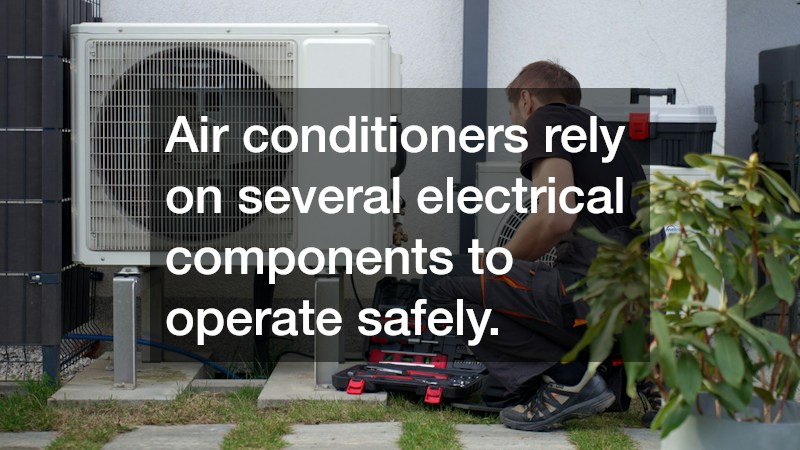
Air conditioners rely on several electrical components to operate safely. Loose, damaged or deteriorating connections can affect performance and may create safety concerns.
A qualified technician can inspect electrical connections and relevant components as part of the servicing process. They can also assess whether switches, wiring and other electrical parts appear to be operating as they should.
If an issue is identified, the technician can explain what needs to be addressed and recommend appropriate repairs rather than allowing a small problem to develop into a larger one.
Assessing Refrigerant Levels
Refrigerant plays an important role in the cooling process. If there is a problem with refrigerant levels or a leak somewhere within the system, the air conditioner may not cool effectively.
A professional can assess the system for indications of refrigerant-related problems. If a leak or another issue is suspected, further investigation may be required.
Rather than simply adding refrigerant without identifying the cause of the problem, a qualified technician can determine whether there is an underlying issue that needs to be repaired.
Testing System Performance
Once inspections and cleaning have been completed, the technician can test the air conditioner to see how it is performing. This may involve checking airflow, temperature and the operation of different components.
Testing allows the technician to determine whether the system is functioning as expected and whether any concerns remain. If the system is not performing correctly, the technician can discuss potential solutions with the property owner.
Regular air conditioning service can also make it easier to identify developing problems before they become major faults. Early attention may help prevent inconvenient breakdowns, particularly during periods when air conditioning is used frequently.
Identifying Potential Repairs
Servicing is not necessarily limited to cleaning and routine checks. A technician may discover components that are worn, damaged or beginning to fail.
If repairs are required, a professional should explain the issue clearly and outline the recommended solution. This gives you an opportunity to understand the condition of your system and decide how to proceed.
Addressing smaller faults promptly can sometimes help prevent additional strain on other components, potentially reducing the risk of more extensive repairs later.
Supporting Long-Term Efficiency
Regular maintenance can help keep an air conditioner operating efficiently throughout its working life. When filters, coils, electrical components and other parts are properly maintained, the system may not need to work as hard to achieve the desired indoor temperature.
Professional air conditioning service provides an opportunity to keep track of the system’s condition and address concerns as they arise. It can also give property owners greater confidence that their air conditioner is being properly maintained.
Professional servicing involves much more than checking whether an air conditioner produces cold air. From inspecting components and cleaning the system to testing performance and identifying potential repairs, a qualified technician can provide a thorough assessment of the equipment.
Arranging air conditioning service at appropriate intervals can help maintain performance, support efficiency and identify problems before they become disruptive. If your air conditioner has not been professionally serviced recently, contact a qualified local technician to arrange an inspection and keep your system operating reliably.
About the Author